In the vibrant, ever-growing city of Austin, Texas, home additions have become a vital component of both residential and urban planning. As families grow, as lifestyles change, and as property values rise, the need for additional living space is more pressing than ever. However, the process of expanding a home is not without challenges—from navigating complex legal fields, including the Austin Building Code and Texas Department of Licensing and Regulation, to coordinating with multiple contractors, design firms, and home staging professionals. This article provides an in-depth guide to navigating home additions in Austin, offering practical insights and expert advice tailored to the unique needs and regulations of this dynamic community.
Planning Your Austin Home Addition: Design & Permits
Planning a home addition in Austin involves navigating a series of critical steps, from design to permits, ensuring your project aligns with local codes and regulations. Austin, with its vibrant real estate market and unique architectural field, presents both opportunities and challenges for homeowners looking to expand their living spaces. The process begins with understanding the Austin Building Code, which dictates construction standards and requirements for all additions. This code is enforced by the Texas Department of Licensing and Regulation, which issues permits for any construction work exceeding certain threshold amounts.
Avoiding common problems is as essential as understanding the process. Failing to secure the necessary permits before breaking ground can lead to costly delays and legal issues. Homeowners should also be wary of overspending due to inadequate planning. According to a 2022 survey by the Local Homeowners Association, the average home addition project in Austin ranged from $50,000 to $100,000, with some exceeding $200,000. Effective budgeting requires clear design plans and realistic expectations.
Deck Builders in Austin: Where to Start
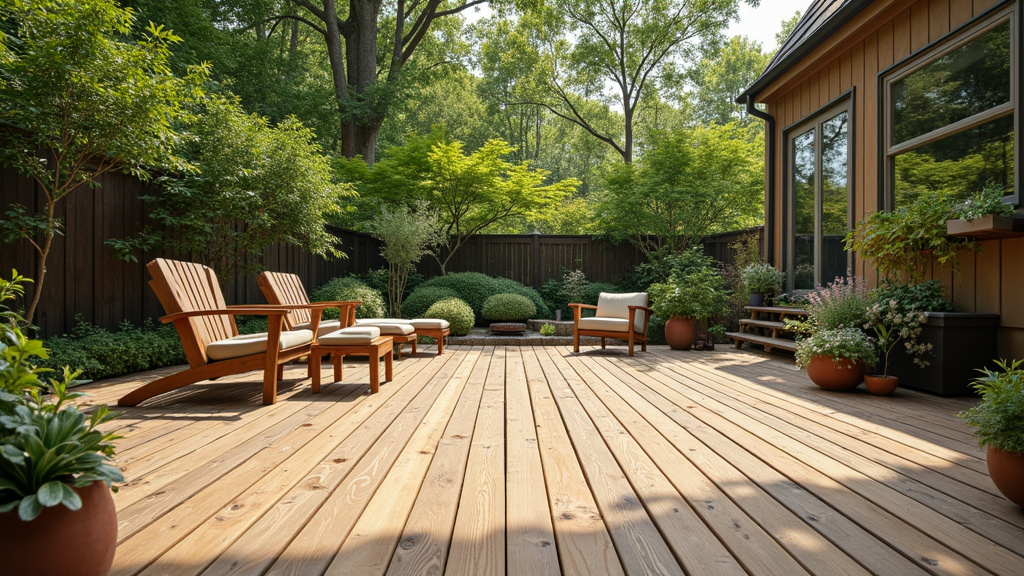
Looking for deck builders in Austin, TX? deck and patio builders serves the local area and can answer questions specific to Austin.
Choosing a reputable provider is important to a successful project. The quality of craftsmanship and adherence to both code and design specifications vary widely among local construction companies and architectural design firms. Homeowners should seek referrals from trusted neighbors or local real estate agents, who can vouch for reliable service. Dave Ramsey, the renowned financial advisor, advocates for strategic home renovations, emphasizing the importance of prioritizing needs over wants. This approach can help homeowners avoid overspending and make informed decisions when planning home additions Austin.
Once a provider is selected, collaborative design sessions with architects and interior designers become key. This phase ensures the addition smoothly blends with the existing home and neighborhood. Home staging professionals can also offer valuable insights, helping to envision the finished space and its potential impact on property value. Engaging in open communication with your chosen provider throughout the design and permitting process is essential, ensuring your vision is accurately translated into reality.
Cost & Contractor: Budgeting for Austin Home Additions
When considering the austin, budgeting is a critical step that can make or break your project. The cost of adding onto your home varies widely based on factors like the size of the addition, the complexity of the design, and the quality of materials and craftsmanship. According to the Texas Department of Licensing and Regulation, the average cost of a major home renovation in Austin ranges from $25,000 to $100,000, with some high-end projects exceeding $200,000.
To qualify for the austin, you’ll need to ensure your property complies with the Austin Building Code. This includes obtaining the necessary permits and following safety regulations. The process involves detailed planning, and it’s wise to consult with both local construction companies and architectural design firms to get accurate cost estimates. Remember, the key to a successful budget is realism. Avoid the pitfall of underestimating costs by 20%, which is a common mistake that can delay or even kill a project.
The return on investment from the austin is a topic of ongoing debate. While some studies show that home values in Austin have increased by 50% over the past decade, making home additions a smart financial move, others argue that the benefits aren’t always immediate. A well-designed addition can add significant livable space, enhancing your home’s appeal to potential buyers. However, the Texas Real Estate Center advises that the best investments are those aligned with your personal needs and lifestyle, not solely focused on resale value.
One major problem to avoid with the austin is poor planning and execution. This can lead to costly delays, budget overruns, and subpar results. Engaging home staging professionals during the planning phase can help ensure your addition smoothly integrates with your existing home. Staying informed about local community development departments and their initiatives can provide valuable insights into what’s permitted, what’s encouraged, and what might be subject to change in the future. By being proactive and well-informed, you can handle the complexities of the austin with confidence.
From Concept to Completion: Building Your Austin Dream Space
Transforming your home through the austin is a significant undertaking that requires careful planning and execution. The process involves several key steps, from conceptualization to completion, each demanding attention to detail and adherence to local regulations. To begin, homeowners must assess their needs and desires, creating a detailed plan that aligns with the Austin Building Code. This might include expanding living spaces, adding a home office, or creating a dream kitchen—the possibilities are endless. Once a design is finalized, homeowners must select qualified local construction companies and architectural design firms to bring their vision to life.
Qualifying for the austin requires meeting specific criteria set by the Texas Department of Licensing and Regulation. This includes obtaining the necessary permits and ensuring the project complies with local building codes and neighborhood association rules. Homeowners should also be prepared to demonstrate financial capability, similar to the principles advocated by financial expert Dave Ramsey, who emphasizes responsible borrowing and spending. A 2022 study by the Local Real Estate Agents Association found that strategic home renovations, when done right, can increase property value by up to 80%.
The contractor you choose matters in the success of your project. Look for professionals with a proven track record and positive reviews from satisfied clients. Engaging with a home staging professional can also be beneficial, especially if you plan to sell your property after the renovation. They can help you stage your space effectively, ensuring potential buyers can envision the potential of your Austin dream space. Remember, each project is unique, and effective communication with your contractor is important to achieving your desired outcome.
Frequently Asked Questions About home additions Austin
What are the typical costs involved in adding a room to my Austin home?
Adding a room in Austin, Texas, can range from $50,000 to $200,000 or more, depending on factors like size, complexity, materials, and labor. A small addition (e.g., a 100-square-foot sunroom) might cost $50,000, while a larger, more intricate design (like a 400-square-foot master suite with bathroom) could easily surpass $200,000. Permits and professional fees add another 10-15% to the total, underscoring the importance of meticulous planning and working with experienced contractors.
Do I need a permit for a home addition in Austin?
Yes, in Austin, Texas, you typically require a building permit for any home addition. The City of Austin’s Department of Building Services processes these permits, ensuring construction complies with building codes and safety standards. The specific permit required depends on the size and nature of the project. A simple sunroom might need a minor renovation permit, while a larger addition could necessitate a building permit and possibly a separate permit for electrical or plumbing work.
How long does a home addition project in Austin usually take?
A typical home addition project in Austin, Texas, can span from 3 to 6 months, depending on several factors. These include the size and complexity of the addition, weather conditions, and the availability of materials and subcontractors. Smaller projects might take less time, while larger, more intricate additions can extend the timeline. Communicating with your contractor about a projected timeline and understanding potential delays is important for setting realistic expectations.
What should I consider when choosing a contractor for my Austin home addition?
When selecting a contractor for your Austin home addition, consider these key factors: experience (look for someone with a proven track record in similar projects), licensing and insurance (ensure they have both), references (ask for and contact previous clients), and communication (a contractor who listens to your vision and provides clear updates is essential). Understanding their process, asking for a detailed proposal, and getting multiple bids can help ensure a successful project.
Are there energy-efficient options for the austin?
Absolutely. Energy efficiency is a growing priority in home construction, including additions. In Austin, Texas, consider incorporating features like high-performance insulation, energy-efficient windows, and doors, and solar panels if feasible. These upgrades not only reduce energy bills but also contribute to a more sustainable home. Local utility companies and building departments often offer incentives for incorporating energy-efficient practices, making these options both cost-effective and environmentally responsible.
When considering the austin, the process involves careful planning, financial forethought, and competent execution. From designing your dream space and navigating the Austin Building Code to selecting reputable contractors and managing timelines, each step requires expertise and attention. Understanding the legal field, engaging with local professionals, and staying informed about community expectations are important to ensure your project’s success. By following these guidelines, you’ll be well-prepared to transform your living space while enhancing your home’s value in the Austin market. Remember, a well-planned and executed home addition can revitalize your living environment, increase your property’s appeal, and provide years of enjoyment.
Golden State Builders
3355 Bee Caves Rd Ste 101, Austin, TX 78746
Website: gsbuildersgrouptx.com
View Golden State Builders on Google Maps
How to get to Golden State Builders from Blanton Museum of Art
If you're over by Blanton Museum of Art, Golden State Builders is a short drive away. Head out on E Martin Luther King Jr Blvd and you'll find us on Bee Caves Rd Ste 101 at 3355 Bee Caves Rd Ste 101, Austin, TX 78746. Use the map below for turn-by-turn directions.
For related local guidance, see our austin tx resources.