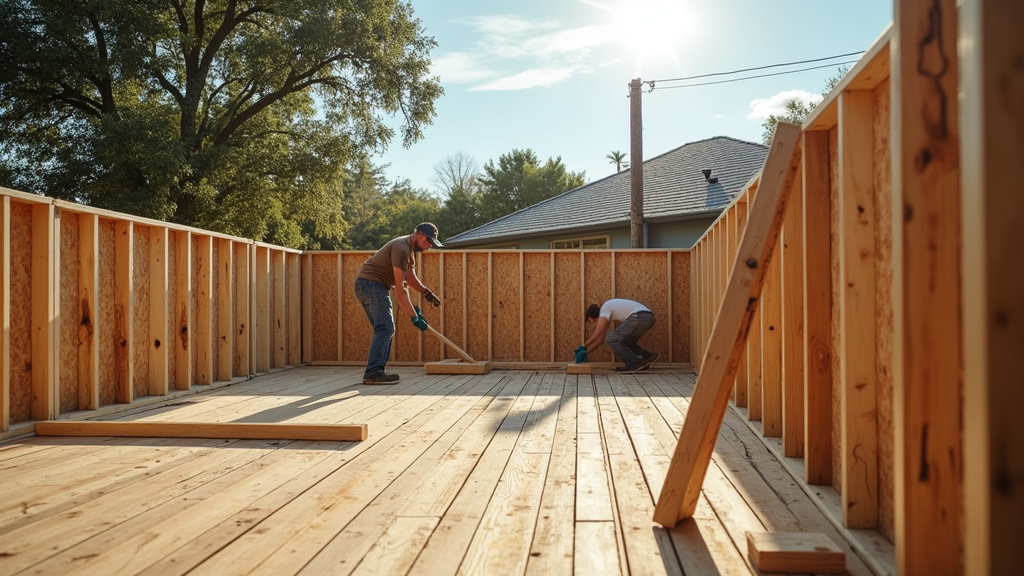
In the vibrant, changing field of Austin, Texas, home additions have become a significant trend, reflecting both the city’s booming population and the unique architectural preferences of its residents. As neighborhoods expand and families grow, the need for additional living spaces has surged. However, navigating the process of adding to one’s home can be daunting, involving intricate legal considerations, design intricacies, and coordination with a host of service providers. This article provides a practical guide to navigating home additions in Austin, addressing the legal framework set by the Austin Building Code and the Texas Department of Licensing and Regulation, the role of local homeowners associations, and the diverse array of professionals involved, from architectural design firms to home staging specialists. By the end, readers will be equipped with the knowledge to make informed decisions, ensuring their home addition project is both legally compliant and aesthetically pleasing.
Planning Your Austin Home Addition: Essential Steps
When planning a home addition in Austin, navigating the process can seem daunting. From understanding local regulations to coordinating with various professionals, many potential homeowners wonder where to start. This section offers an in-depth guide to ensure your project runs smoothly, highlighting essential steps, common pitfalls to avoid, and alternative solutions.
Deck Builders in Austin: Where to Start
Looking for deck builders in Austin, TX? deck builder serves the local area and can answer questions specific to Austin.
First, familiarize yourself with the Austin Building Code, enforced by the Texas Department of Licensing and Regulation. These codes dictate everything from structural integrity to energy efficiency, so adhering to them is important. The Local Homeowners Association (HOA) may also have specific guidelines, so consult their bylaws early on. One key aspect to consider: timing. Home additions in Austin typically take anywhere from several weeks to several months, depending on the project’s scope. According to recent surveys, the average renovation project in Austin spans about 3-5 months, with larger additions taking longer.
Avoiding common problems is just as important as following the right steps. Miscommunication with contractors can lead to costly delays or subpar work. To mitigate this, clearly define your expectations from the outset. Unforeseen issues like bad weather or material shortages can impact timelines, so building some buffer into your schedule is advisable. For smaller, less complex additions, you might opt for a DIY approach, but for larger projects, working with reputable local construction companies and architectural design firms is recommended. Home staging professionals can also provide valuable insights during the planning phase, helping you envision the finished space.
While home additions offer numerous benefits, such as increased living space and property value, they’re not always the best solution. Consider alternatives like remodeling existing areas or moving to a larger property. Transforming your attic or basement into livable space can be less disruptive and more cost-effective than an addition. Local real estate agents and community development departments can offer insights into the most suitable options based on your needs and the current market. By taking a complete approach, you’ll ensure your decision aligns with both your lifestyle and financial goals.
Design and Architectural Considerations for Austin Properties
When considering home additions Austin, the design and architectural considerations are important. Austin, with its unique blend of historic and modern architecture, requires a nuanced approach. The Austin Building Code, for instance, mandates specific design elements for structural integrity and energy efficiency, which must be integrated smoothly into any addition project. The code often requires enhanced insulation in attics and walls, along with proper ventilation, to maintain the city’s hot, humid climate in check.
Choosing the right provider for the austin is a critical step. Homeowners should look for companies that not only understand local regulations but also possess a proven track record and relevant architectural expertise. A good starting point is to consult with local Homeowners Associations, which can offer insights into approved designs and builders who have successfully handled the process. Local construction companies often collaborate with architectural design firms, providing a complete approach that ensures both functionality and aesthetic appeal.
The austin process involves several stages. It begins with a consultation to understand the client’s vision and budget. Architectural designers then create detailed plans, incorporating elements that enhance the property’s value while adhering to the Austin Building Code. Permitting, another important step, requires submission of plans to the Texas Department of Licensing and Regulation for approval. Once permitted, construction companies handle the physical work, ensuring every detail aligns with the approved design. A popular choice in Austin is incorporating outdoor living spaces, given the city’s vibrant outdoor culture.
To qualify for the austin, several factors come into play. Property owners must meet zoning requirements, ensuring the addition complies with local regulations. Financial considerations, such as securing appropriate financing or utilizing home equity, are also essential. Homeowners should be prepared to provide detailed documentation, including property ownership proof and budget estimates. As of 2023, the average cost for a mid-sized home addition in Austin ranges from $50,000 to $100,000, depending on the scope and materials used. Engaging with community development departments can offer valuable guidance on these requirements and help streamline the process.
Cost, Permits, and Construction: Bringing Your Vision to Life
For bringing your home addition vision to life in Austin, understanding the cost, permit, and construction aspects is important. The process involves a series of strategic steps that can transform your living space while ensuring compliance with local regulations.
In Austin, the cost of home additions varies widely based on factors like size, complexity, and materials. According to recent data, the average cost ranges from $50 to $150 per square foot, with smaller projects like sunrooms or deck additions starting at around $20,000. The Texas Department of Licensing and Regulation (DLR) provides valuable resources on estimating project costs, highlighting the importance of detailed planning. When selecting a provider, consider the expertise of local construction companies and architectural design firms. They can offer tailored solutions and estimates, ensuring your project aligns with your budget. A well-designed kitchen addition can increase your home’s value by up to 80%, according to a 2022 report by the National Association of Realtors, making it a strategic investment.
Permits are a vital aspect of the austin, governed by the Austin Building Code. The Local Homeowners Association (LHA) offers guidance on permit types, which may include building, electrical, or plumbing permits, depending on the scope of your project. It’s essential to obtain these permits early in the process to avoid delays. Dave Ramsey, renowned financial expert, emphasizes the importance of responsible spending during home renovations, advocating for a balanced approach that considers both immediate benefits and long-term financial health. A well-planned bathroom addition can enhance your home’s comfort and appeal to potential buyers, demonstrating the project’s value extends beyond immediate costs.
Construction involves meticulous planning and execution. Engaging reputable contractors who understand Austin’s unique building environment is key. They’ll manage subcontractors, ensure quality, and adhere to timelines. Home staging professionals can also play a role, offering design insights to maximize your space. By prioritizing communication with your chosen provider, addressing concerns promptly, and staying informed about local regulations, you can ensure your home addition project is a success.
Planning, designing, and constructing a home addition in Austin involves navigating a series of critical steps and considerations. From understanding the Austin Building Code and obtaining the necessary permits through engaging local construction companies and architectural design firms, each phase requires careful attention to detail. By collaborating with home staging professionals and adhering to the guidelines set by the Texas Department of Licensing and Regulation, homeowners can ensure their projects comply with legal standards. Engaging with Local Homeowners Associations and community development departments can foster a smooth integration of new structures into existing neighborhoods, enhancing property values and community cohesion. Successful the austin depend on meticulous planning, expert execution, and a commitment to both aesthetic appeal and regulatory compliance.
Golden State Builders
3355 Bee Caves Rd Ste 101, Austin, TX 78746
Website: gsbuildersgrouptx.com
View Golden State Builders on Google Maps
How to get to Golden State Builders from Blanton Museum of Art
If you're over by Blanton Museum of Art, Golden State Builders is a short drive away. Head out on E Martin Luther King Jr Blvd and you'll find us on Bee Caves Rd Ste 101 at 3355 Bee Caves Rd Ste 101, Austin, TX 78746. Use the map below for turn-by-turn directions.
For related local guidance, see our austin tx resources.