In the vibrant, changing field of Austin, home additions have become a popular and strategic way for property owners to enhance their living spaces and property values. However, navigating the complex web of permits, regulations, and construction practices can be daunting. Many homeowners struggle to envision and realize their desired expansion, from kitchen remodels to backyard retreats, without professional guidance. This article examines into the intricacies of home additions in Austin, providing insights into the legal framework, key stakeholders, and expert services that make the process smoother and more successful. By understanding these dynamics, homeowners can confidently embark on their next home improvement journey, creating living environments that truly reflect their unique personalities and needs.
Planning Austin Home Additions: Permits and Design
When considering home additions Austin, meticulous planning is important. The process begins with understanding the local Austin Building Code, which dictates zoning regulations and permitted structures. The Texas Department of Licensing and Regulation oversees construction permits, ensuring compliance and safety. Homeowners should also consult with their Local Homeowners Association, as some neighborhoods have specific guidelines for alterations.
Design alternatives to the austin include reconfiguring existing space, a more cost-effective solution. Adding a drop ceiling in an attic can create an extra room without the need for major structural changes. According to a 2022 survey by the National Association of Home Builders, 65% of homeowners preferred remodeling over moving for their next project, highlighting the appeal of in-place transformations. Dave Ramsey, the renowned financial expert, encourages homeowners to consider the return on investment (ROI) of home renovations. He suggests focusing on projects that not only enhance living space but also increase property value, aligning with the strategic approach to the austin.
Deck Builders in Austin: Where to Start
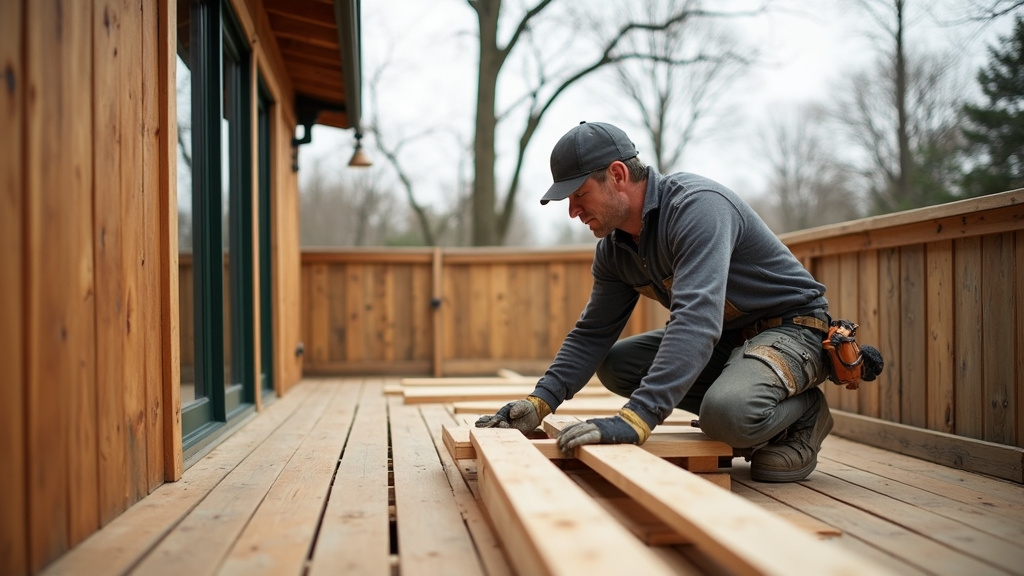
Looking for deck builders in Austin, TX? deck contractors serves the local area and can answer questions specific to Austin.
Qualifying for the austin involves meeting specific criteria. Local construction companies and architectural design firms can guide homeowners through the process. These professionals can help obtain necessary permits and ensure the project complies with the Austin Building Code. Home staging professionals can also be invaluable, offering design insights and potentially increasing the home’s market value if you plan to sell post-renovation. Community impact is another critical aspect; neighborhood watch groups and local real estate agents can provide feedback on additions’ aesthetic appeal and potential neighborhood impact, fostering a positive community environment.
Construction Process: Building Your Austin Expansion
When expanding your living space in Austin, the construction process for home additions requires careful planning and execution. The first step is to familiarize yourself with the Austin Building Code, which dictates the permitted building practices and structural standards. This ensures your project aligns with safety regulations, an important aspect to avoid future legal troubles, especially when dealing with local Homeowners Associations that enforce these rules.
consider a client seeking a kitchen remodel with an addition. They must ensure the new construction doesn’t exceed the property line, as defined by the city, and complies with the required setbacks. Ignoring these guidelines can lead to penalties, delays, or even a forced demolition. Engaging with reputable local construction companies and architectural design firms from the outset is essential. They can provide valuable insights into navigating these regulations and offer solutions tailored to your specific needs and budget.
Beyond legal compliance, a strategic approach to the austin involves understanding the project timeline and potential disruptions. Major renovations can take several months, impacting your daily life. It’s advisable to plan for this downtime, especially when considering home staging for resale value. The Texas Department of Licensing and Regulation keeps a close eye on construction projects, so maintaining all necessary permits and licenses is non-negotiable.
As for alternatives, not all home expansions require a full construction process. Consider reconfiguring existing spaces, adding small rooms, or converting attics and basements. These alterations can be less disruptive and more cost-effective. A smartly designed addition of a sunroom or a deck can significantly enhance your outdoor living, providing a valuable amenity without the extensive construction of a full room addition.
Regarding financial considerations, Dave Ramsey advocates for thoughtful spending on home renovations. He encourages prioritizing projects that offer the best return on investment, aligning with the overall value of your property. In the Austin market, where real estate values have been steadily rising, strategic home additions can significantly increase your property’s appeal and resale value. However, it’s important to balance this with the actual cost of construction and the potential impact on your daily life, as discussed earlier.
Cost and Value: Understanding Austin Home Addition ROI
When planning the austin, understanding the cost and potential return on investment (ROI) is important. The financial implications extend beyond initial construction costs, encompassing factors like property value appreciation, long-term livability, and potential future sales. According to a 2022 report by the Texas Department of Licensing and Regulation, the average cost of the austin varies widely based on size, complexity, and materials, ranging from $30,000 to $150,000 or more.
The timeline for the austin can vary significantly. On average, a typical addition project takes about 3 to 6 months to complete, but this can be influenced by several factors. Complex projects involving architectural design and permitting may extend to 8 or 9 months, while simpler, smaller additions could be finished in as little as 2 months. The Austin Building Code dictates various permits and inspections required at different stages, adding to the overall timeline.
One of the key considerations when undertaking the austin is avoiding common pitfalls. Unforeseen structural issues, poor quality workmanship, and budget overruns can plague even the best-planned projects. To mitigate these problems, thorough pre-construction planning is essential. This includes obtaining the necessary permits, engaging reputable local construction companies and architectural design firms, and ensuring the project aligns with the property’s surrounding architecture and community standards as reviewed by local Homeowners Associations.
Choosing the austin provider involves a strategic decision-making process. Start by gathering referrals from neighbors or local real estate agents who have recently undertaken similar projects. Next, review the provider’s portfolio, insurance, and licensing status. The Local Community Development Departments often have resources and guidelines for homeowners, which can be invaluable. Consider the provider’s ability to accommodate your timeline and budget, as well as their post-construction support and warranty services. A well-chosen provider can ensure your addition not only enhances your living space but also adds significant value to your property in Austin.
Frequently Asked Questions About home additions Austin
What are the most common types of the austin?
Homeowners in Austin often opt for additions that enhance their living space and connect to their outdoor environment. The most common types include sunrooms, adding a second story or attic space, garage conversions, and back porches. Sunrooms, in particular, have gained popularity due to Austin’s pleasant climate, allowing homeowners to enjoy outdoor views while being sheltered from the elements. As of 2022, sunroom additions have seen a 15% increase in demand in the city, according to a local home improvement survey.
How do I choose a reliable contractor for my home addition project?
Choosing a contractor involves thorough research and due diligence. Look for licensed and insured professionals with a proven track record in the Austin area. Ask for references and check online reviews on reputable platforms. The Better Business Bureau (BBB) is an excellent resource to evaluate contractor reliability. A quick BBB search for "home addition contractors Austin" yields a list of highly rated, locally established companies.
What factors influence the cost of a home addition?
Several factors contribute to the cost of a home addition, including the type and size of the addition, local labor rates, material choices, and the complexity of the project. A sunroom, for instance, may range from $20,000 to $50,000, while a second-story addition can cost between $30,000 and $100,000 or more, depending on size and quality of finish. Material choices, like energy-efficient windows or premium flooring, impact the overall budget.
Are there building codes I should be aware of for home additions?
Yes, Austin has specific building codes and regulations that govern home additions. These codes ensure structural integrity, safety, and compliance with zoning laws. Familiarize yourself with the city’s building permit requirements, including set-back rules, permit types, and inspection processes. The City of Austin’s Building Department provides practical guides and resources to help homeowners handle these regulations.
How can I ensure my home addition blends smoothly with my existing home?
For a smooth integration, work closely with your contractor to consider the architectural style of your home. The addition should complement the existing design, whether it’s a modern, traditional, or colonial aesthetic. Match materials, colors, and window styles to create a cohesive look. A good contractor will understand these design principles and offer suggestions tailored to your home’s unique character.
What tax benefits are available for home improvement projects in Austin?
Homeowners in Austin may be eligible for tax deductions and credits for certain home improvement projects, including additions. Check the IRS website for federal tax benefits, and consult with a tax professional for local incentives. Some states offer tax credits for energy-efficient home improvements, which could offset the costs of your addition project.
When planning the austin, understanding the local building code, as outlined by the Austin Building Code and Texas Department of Licensing and Regulation, is important. Engaging with reputable local construction companies, architectural design firms, and home staging professionals ensures a smooth process and maximizes the return on investment (ROI). The article has highlighted the importance of permits, design considerations, and cost analysis. Working with a local homeowners association can streamline permit applications. As for the construction phase, engaging specialized tradespeople—plumbers, electricians, and carpenters—with proven track records in the Austin community is essential. Finally, gauging the success of the austin lies in the project’s ability to enhance property value and fit smoothly with the surrounding neighborhood, as appreciated by local real estate agents and community development departments. By integrating these insights, homeowners can confidently handle the process, ensuring their expansion not only complies with regulations but also adds significant value to their property.
Golden State Builders
3355 Bee Caves Rd Ste 101, Austin, TX 78746
Website: gsbuildersgrouptx.com
View Golden State Builders on Google Maps
How to get to Golden State Builders from Pease District Park
Coming from Pease District Park? the drive to Golden State Builders is a quick one. Head out on Kingsbury St and you'll find us on Bee Caves Rd Ste 101 at 3355 Bee Caves Rd Ste 101, Austin, TX 78746. Use the map below for turn-by-turn directions.
For related local guidance, see our austin tx resources.