Expanding living spaces through the austin has become a popular solution for families and individuals seeking more room and a better fit. However, navigating the complex process can be daunting. Homeowners often struggle with legal requirements, finding qualified contractors, and ensuring their project aligns with their aesthetic and functional needs. This article provides an authoritative guide to navigating the austin. We’ll explore the legal expertise required, the importance of client services, and the community impact of these projects, empowering you to make informed decisions and create your dream living space.
Planning Austin Home Additions: Design & Permits
Planning the austin involves a meticulous process, from conceptual design to final permits. It’s important to understand the Austin Building Code, which dictates regulations for structural changes, safety, and accessibility. The Texas Department of Licensing and Regulation oversees construction permits, ensuring compliance with local laws. Homeowners should consult with architectural design firms to create tailored plans, considering space utilization, aesthetics, and functional needs.
Choosing the austin provider requires thorough research. Local Homeowners Associations often have recommendations, and checking online reviews provides insights into past projects and client satisfaction. Look for licensed and insured contractors with experience in similar projects. A provider specializing in modern designs for mid-century homes can bring unique expertise, ensuring your expansion aligns with your property’s character. Engaging with multiple contractors for quotes allows comparison of not only cost but also vision and execution quality.
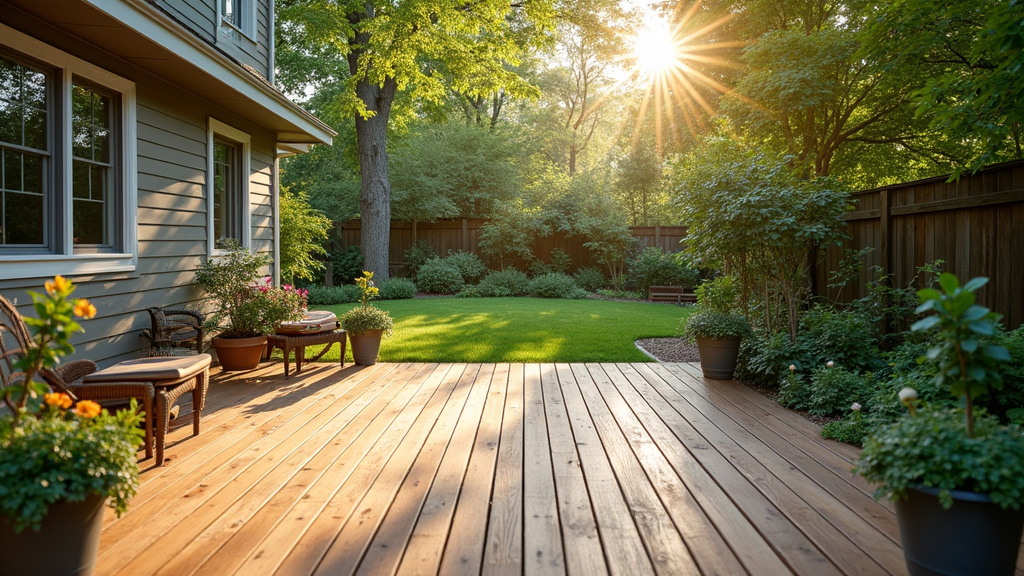
Deck Builders in Austin: Where to Start
Looking for deck builders in Austin, TX? deck builders in Austin, TX serves the local area and can answer questions specific to Austin.
Avoiding problems requires proactive measures. Ensure clear communication with your chosen provider about budget, timeline, and expected outcomes. The Austin Building Code specifies requirements for structural integrity, electrical, plumbing, and HVAC systems, so adhering to these standards is non-negotiable. For large-scale projects, it’s wise to consult home staging professionals to envision the finished space, ensuring your additions maximize property value. Staying informed about local community development departments’ guidelines and Neighborhood Watch Group recommendations can help handle potential zoning or aesthetic concerns. Data from the Texas Real Estate Commission shows that clear communication and adherence to codes significantly reduce project delays and budget overruns.
Construction Process: Building Your Austin Expansion
When considering the austin, understanding the construction process is important. The timeline for these projects varies based on size, complexity, and weather conditions, but on average, expect the process to take between 3 to 6 months. This involves several key steps, including planning, permitting, demolition (if necessary), foundation work, framing, electrical and plumbing installations, insulation, and finally, finishing touches like drywall, painting, and flooring. A typical 200-square-foot sunroom addition might take around 4 months from start to finish.
Before initiating any the austin, it’s important to explore alternatives. Not every solution requires a full construction project. For smaller spaces, consider reconfiguring existing rooms or adding partial walls and windows. Some homeowners opt for modular additions, where prefab components are assembled on-site, offering faster installation and potentially lower costs. However, these solutions might not always meet specific design requirements or local building codes, such as the Austin Building Code, as they’re often more standardized.
The austin process involves careful coordination among several professionals, including architects, structural engineers, local construction companies, and subcontractors. The first step is to meet with an architect to discuss your vision and design. They’ll create detailed plans that must comply with the Texas Department of Licensing and Regulation’s building standards. Once approved, you’ll obtain the necessary permits from the Local Homeowners Association or the appropriate community development department. After that, a general contractor will oversee the construction, ensuring it adheres to the approved plans and local regulations.
Cost & Value: Measuring Success of Home Additions Austin
When evaluating the success of the austin, the first question to consider is: What’s the return on investment? It’s not just about the cost of the project, but also the value it brings to your property. According to the Texas Department of Licensing and Regulation, home improvements can significantly increase your home’s value, with average returns ranging from 50% to 70% for well-planned projects.
The process of the austin involves careful consideration and planning. You’ll need to assess your budget, choose reputable local construction companies and architectural design firms, and ensure compliance with the Austin Building Code. The Local Homeowners Association often provides guidelines and resources to help homeowners handle these aspects. They may recommend working with home staging professionals to maximize your investment by enhancing your home’s appeal to potential buyers if you’re considering a future sale.
Dave Ramsey, renowned financial expert, advocates for prudent spending for home renovations. He suggests setting a budget and sticking to it, prioritizing projects that will have the most significant impact on your property’s value. In Austin, where the real estate market is competitive, focusing on projects that enhance curb appeal, functional space, or energy efficiency can be particularly beneficial. A 2022 survey by the Local Real Estate Agents revealed that major renovations, such as kitchen and bathroom remodels, often yield the best returns.
To qualify for the austin, you’ll need to meet specific criteria. This includes obtaining necessary permits from the appropriate government agencies and ensuring your property meets zoning regulations. The Community Development Department can guide you through these requirements. By qualifying correctly, you can avoid future legal issues and ensure your project complies with local laws, contributing to its long-term success.
Frequently Asked Questions About home additions Austin
What is the average cost of a home addition in Austin, Texas?
In Austin, the average cost of a home addition ranges from $50 to $150 per square foot, depending on factors like the type of addition, materials used, and complexity of design. This translates to potential costs of $30,000 to $200,000 for a typical 500-square-foot project. The city’s growing construction costs, skilled labor shortages, and market demand have pushed these figures higher in recent years, with some projects exceeding $300,000 for larger, more elaborate additions.
What types of home additions are popular in Austin?
Austin residents often opt for additions that enhance outdoor living, reflecting the city’s warm climate and active lifestyle. Popular choices include:
- Sunrooms: Enclosed, glass-walled rooms providing extra living space and a connection to nature.
- Patio Enclosures: Adding a glass or canvas roof to an existing patio, creating an outdoor room suitable for year-round use.
- Master Suite Additions: Expanding to include a larger bedroom, private bath, and walk-in closet, catering to growing families or changing lifestyles.
- Home Offices: With remote work on the rise, many Austin homeowners invest in dedicated offices or study spaces.
How long does a typical home addition project take to complete?
The duration of a home addition project in Austin varies, but most take between 3 to 6 months from initial planning and design to final inspection and move-in. This timeline includes permitting, construction, and any necessary architectural or engineering services. Complex projects with unique designs or structural challenges may take longer, while simpler additions could be completed in as little as 2 months.
What permits are required for a home addition in Austin?
Before starting a home addition project in Austin, you’ll need to obtain several permits from the City of Austin’s Development Services Department. These typically include:
- Building Permit: Required for most construction projects, ensuring compliance with building codes.
- Zoning Permit: Ensures your addition aligns with zoning regulations and property restrictions.
- Mechanical Permit: Needed for plumbing, electrical, and HVAC work.
- Plumber’s License: For plumbing-related work, ensuring local code compliance.
Can I handle a home addition project myself, or do I need a contractor?
While some homeowners are capable of managing a minor home addition project themselves, particularly for simple, small-scale additions, most complex projects require professional help. A licensed general contractor oversees the entire process, ensuring:
- Compliance with local building codes and regulations.
- Proper structural design and execution.
- Timely completion and minimal disruption to your household.
- Warranty and liability coverage for their work.
When considering the austin, understanding the legal field, engaging the right professionals, and prioritizing community integration are paramount to success. The Austin Building Code and Texas Department of Licensing and Regulation ensure safety and quality, making compliance important. Engaging local construction companies, architectural design firms, and homeowners associations early in the process can streamline permits and design, saving time and money. The austin that respect the surrounding neighborhood, as evidenced by community development departments and neighborhood watch groups, often face smoother approval processes and enjoy higher property value. Finally, enlisting home staging professionals can enhance the marketability of your expanded space, ensuring a successful sale when the time comes. By integrating these insights, you can handle the austin process with confidence, creating a living space that both reflects your lifestyle and maximizes your investment.
Golden State Builders
3355 Bee Caves Rd Ste 101, Austin, TX 78746
Website: gsbuildersgrouptx.com
View Golden State Builders on Google Maps
How to get to Golden State Builders from Texas Capitol
Driving in from Texas Capitol? Golden State Builders is close by. Head out on Congress Ave. and you'll find us on Bee Caves Rd Ste 101 at 3355 Bee Caves Rd Ste 101, Austin, TX 78746. Use the map below for turn-by-turn directions.
For related local guidance, see our austin tx resources.