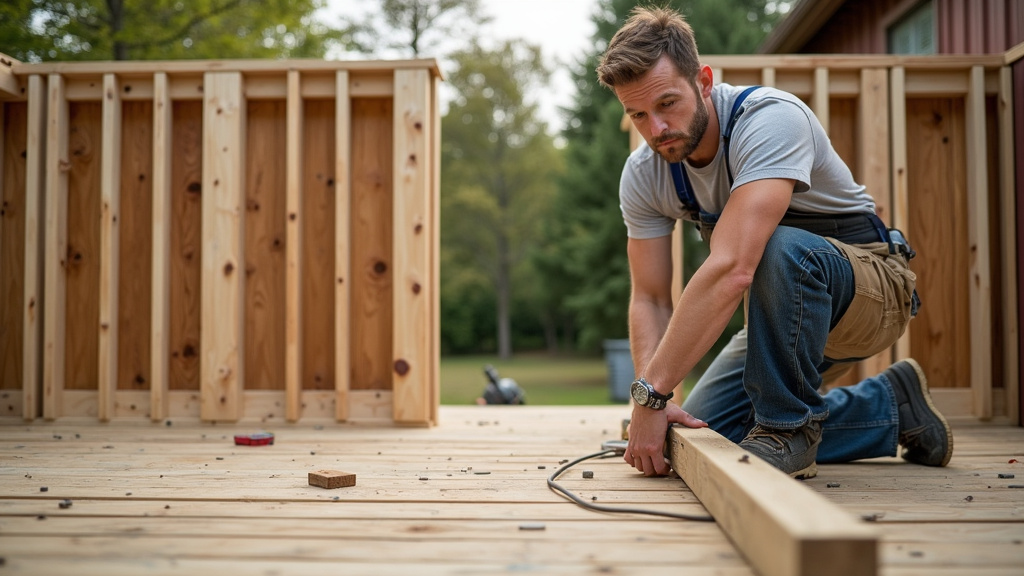
In the competitive Austin real estate market, home additions have become a popular strategy for property owners looking to enhance their living spaces and increase property values. However, navigating the complex process of adding to a home can be daunting, with considerations ranging from local building codes (Austin Building Code) and permits to ensuring compliance with Homeowners Association (HOA) regulations and community standards. This article offers a practical guide to successful home additions in Austin, leveraging insights from legal experts, construction professionals, and community stakeholders to ensure a smooth and rewarding experience. By understanding the nuances and best practices, property owners can transform their homes while contributing positively to their neighborhoods.
Planning Your Austin Home Addition: Essential Steps
Planning a home addition in Austin involves more than just breaking ground. To ensure your project goes smoothly, avoid common pitfalls, and achieve your desired outcome, follow a structured approach. First, familiarize yourself with the Austin Building Code and consult with your Local Homeowners Association. This step is important, as it ensures your addition complies with local regulations and avoids potential permit issues down the line.
The home additions Austin process begins with meticulous planning. Engage the services of reputable architectural design firms and local construction companies to discuss your vision. These professionals will guide you through the design phase, considering factors like structural integrity, energy efficiency, and your budget. Incorporating smart home technology from the outset can enhance your property’s value and provide convenience, but it adds to the initial cost. Thus, balancing your wishes with practical considerations is essential.
Deck Builders in Austin: Where to Start
Looking for deck builders in Austin, TX? Golden State Builders serves the local area and can answer questions specific to Austin.
Once the design is finalized, the construction phase begins. This is where timelines become relevant. On average, the austin take approximately 3-4 months to complete, depending on the project’s complexity. However, delays can occur due to material availability, weather conditions, or unforeseen structural challenges. To manage expectations, set a realistic timeline and communicate openly with your contractor. A well-planned project might include phased construction to minimize disruption, with clear communication about when each phase will begin and end.
During and after construction, stay engaged with your project. Regular site visits allow you to monitor progress and address any concerns promptly. Consider working with home staging professionals to prepare your expanded living space for potential buyers if you plan to sell in the future. By proactively managing your home addition project, you can ensure a successful outcome, from compliance with Austin’s building codes to a timely and high-quality construction.
Design and Architectural Considerations for Austin Properties
When considering the austin, the design and architectural choices are as important as the construction process itself. Austin’s unique blend of urban living and suburban appeal necessitates a thoughtful approach to ensure new additions harmonize with the existing neighborhood. The city’s solid real estate market and growing population make it a hotbed for home expansion projects, but understanding the local building codes and community expectations is paramount.
the Austin Building Code outlines specific guidelines for structural integrity, energy efficiency, and safety, with requirements that vary based on the type and scale of the addition. Local homeowners associations (HOAs) often have their own set of rules, focusing on aesthetic appeal and property values. Working with architectural design firms that are well-versed in these codes and HOA regulations is a strategic move. These professionals can help handle the complexities, ensuring the design not only complies but also enhances the home’s overall appeal.
Alternatives to traditional the austin include remodeling existing spaces, such as converting attics or basements, or even adding outdoor living areas. According to the Texas Department of Licensing and Regulation, 2022 data shows a 15% increase in remodeling projects across the state, with many homeowners prioritizing cost-effective and space-saving solutions. For those looking to expand without significantly altering the home’s footprint, these alternatives offer viable options. Dave Ramsey, renowned financial expert, advocates for prioritizing home improvements that offer the best return on investment, aligning with the wisdom of thoughtful design and remodeling choices.
The austin process involves careful planning, design, permitting, and construction. It’s a multi-step journey that requires collaboration between clients, architects, and contractors. Clients should actively participate in the design phase, envisioning the desired outcome and understanding the practical implications. Once the plans are finalized and permits secured, the construction phase begins, requiring ongoing communication and oversight. Successful projects result from a well-coordinated effort, where each stakeholder plays an important role, ensuring the final product meets both aesthetic and functional expectations.
Cost, Permits, and Construction: Bringing Your Vision to Life
In Austin, expanding your living space through home additions offers a compelling alternative to moving. However, the process involves navigating permitting, budgeting, and contractor selection. Let’s examine the practical aspects of bringing your vision to life.
First, understanding the Austin Building Code is important. The Texas Department of Licensing and Regulation oversees building permits, ensuring compliance with local standards. Depending on the scope of your addition, you might need permits for structural changes, electrical work, or plumbing modifications. Engaging with a local homeowner association (HOA) is also recommended to understand community-specific rules. Some HOAs have restrictions on architectural styles or exterior color schemes.
Budgeting for the austin varies based on project size, design complexity, and material choices. According to recent data, the average cost per square foot for a typical home addition in Austin ranges from $100 to $250. For a 500-square-foot deck addition, expect to pay between $5,000 and $12,500. Professional architectural design firms and local construction companies can provide detailed cost estimates. Engaging with multiple contractors offers insights into pricing dynamics and helps you find the best value.
The austin process involves several steps. It starts with conceptualization, where you define your needs and goals. Architectural design firms can assist in creating floor plans and 3D models. Once the design is finalized, contractors submit bids based on the plans. Selection isn’t solely about the lowest bid; consider experience, references, and their ability to adhere to your timeline. After hiring a contractor, permits are submitted, and construction begins. Regular communication with your contractor ensures the project stays on track and aligns with your vision.
Frequently Asked Questions About home additions Austin
What is the average cost of a home addition in Austin, Texas?
In Austin, the average cost of a home addition ranges from $50 to $150 per square foot, depending on factors like the type of addition (e.g., a bedroom versus a sunroom), construction materials, and the complexity of the design. For a mid-range project like a 200-square-foot room addition, expect to pay between $10,000 and $30,000. These figures don’t include permits or professional fees, which can add 10-20% to the total cost.
How do I choose the best contractor for my Austin home addition?
When selecting a contractor, start by asking for referrals from friends or neighbors. Next, review online reviews and ratings on platforms like Angie’s List or Better Business Bureau. Check the contractor’s license and insurance status with the Texas Department of Licensing and Regulation. Ensure they have experience with the specific type of addition you’re planning and ask for a detailed, itemized quote.
Are there building codes I need to be aware of for the austin?
Yes, Austin has specific building codes that govern home additions. The City of Austin Building Department enforces these codes, which cover aspects like structural integrity, electrical wiring, plumbing, and safety features. It’s important to ensure your contractor is familiar with these codes and complies with them throughout the building process.
What types of home additions are popular in Austin?
Austin residents frequently opt for these types of home additions: kitchen expansions, master suite renovations, living or family room additions, and outdoor living spaces like patios or decks. The city’s mild climate makes outdoor living a priority for many homeowners, contributing to the popularity of patios, sunrooms, and pool houses.
How long does a typical home addition project take in Austin?
The timeline for a home addition project in Austin varies depending on the size and complexity of the work. Smaller projects, like a 100-square-foot sunroom, might take 3-4 months, while larger additions, such as a 400-square-foot master suite, could stretch to 6 months or more. Weather delays are common, so it’s wise to factor in some extra time for unforeseen circumstances.
What documentation do I need to file for a home addition permit in Austin?
To apply for a home addition permit in Austin, you’ll need to provide the following: detailed building plans, a completed application form, a set of structural drawings, and any required fees. It’s essential to review the City of Austin’s building permit requirements and consult with your contractor to ensure all necessary documents are in order.
As you handle the process of the austin, this article has provided a comprehensive roadmap to ensure a successful and compliant project. By understanding the legal framework, engaging reliable professionals, and considering the unique design and community context, you can transform your living space while enhancing your property’s value. Key takeaways include the importance of adhering to the Austin Building Code and obtaining necessary permits, collaborating with architectural design firms tailored to local norms, and leveraging home staging professionals to maximize your investment. Moving forward, prioritize clear communication with local construction companies and stay engaged with your Homeowners Association, Neighborhood Watch Groups, and Community Development Departments to maintain the integrity and appeal of your Austin property.
Golden State Builders
3355 Bee Caves Rd Ste 101, Austin, TX 78746
Website: gsbuildersgrouptx.com
View Golden State Builders on Google Maps
How to get to Golden State Builders from Pease District Park
Coming from Pease District Park? the drive to Golden State Builders is a quick one. Head out on Kingsbury St and you'll find us on Bee Caves Rd Ste 101 at 3355 Bee Caves Rd Ste 101, Austin, TX 78746. Use the map below for turn-by-turn directions.
For related local guidance, see our austin tx resources.