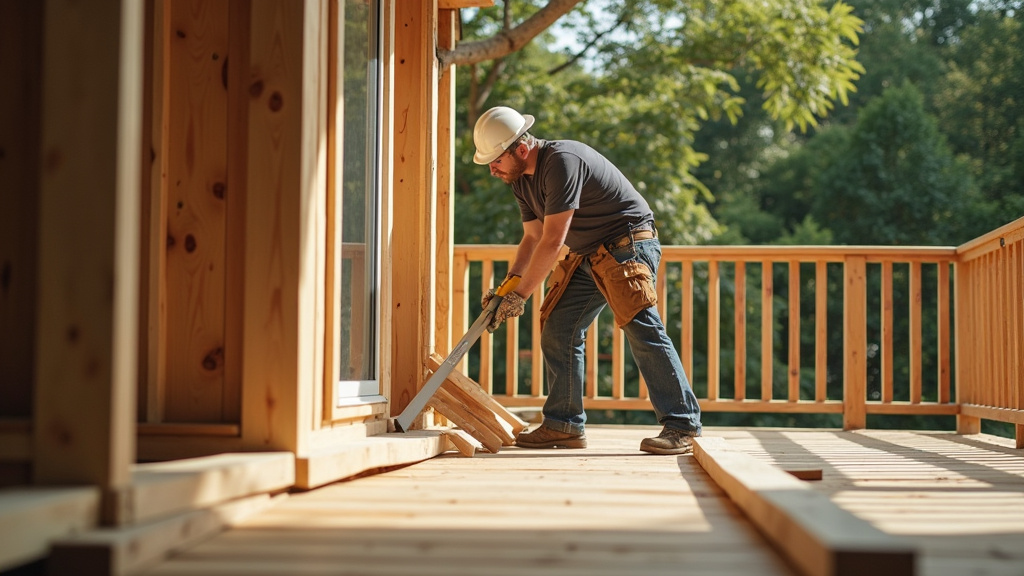
Expanding living spaces is a top priority for many Austin homeowners, whether it’s adding a room for a growing family or transforming attics and basements into functional areas. However, navigating the complex world of home additions Austin can be daunting. From understanding local building codes, like those set by the Austin Building Code, to ensuring compliance with homeowners association rules and working with reputable local construction companies and architectural design firms, the process demands careful planning and expertise. This article guides you through the intricacies of home additions Austin, offering practical insights to ensure your project is a successful and smooth transition.
Planning Your Austin Home Addition: Essential Steps
Planning a home addition in Austin involves a series of critical steps that ensure your project runs smoothly and complies with local regulations. The process begins with assessing your property and defining your needs. This includes evaluating the layout, zoning regulations, and the structural integrity of your existing home, all of which the Austin Building Code oversees. In 2022, the Texas Department of Licensing and Regulation reported over 50,000 active building permits in Austin, with a significant portion dedicated to residential additions.
Next, engage the services of a reputable local construction company or architectural design firm. These professionals will help translate your vision into a detailed plan, taking into account factors like budget, timeline, and local building practices. They will also assist in obtaining necessary permits, an important step that varies by project type and size. According to the Local Homeowners Association, many homeowners opt for home staging professionals to prepare their homes for the market after the addition, enhancing curb appeal and interior design.
Deck Builders in Austin: Where to Start
Looking for deck builders in Austin, TX? Golden State Builders deck builders serves the local area and can answer questions specific to Austin.
The timeline for the austin varies based on project complexity and contractor availability. On average, a small addition can take anywhere from 3 to 6 months, while larger projects may extend to a year or more. It’s essential to discuss these expectations with your contractor early on. Alternatives to a full home addition include reconfiguring existing space, which might be more cost-effective but offers fewer expansion options. However, many find that home additions provide a better return on investment, especially in Austin’s competitive real estate market, where spacious homes with modern amenities are in high demand.
Design and Architectural Considerations for Austin Additions
When considering the austin, the design and architectural considerations are paramount. The diverse topography and climate of Austin present both opportunities and challenges for builders. The city’s rolling hills and hot summers necessitate thoughtful planning to ensure energy efficiency and comfortable living spaces. The Austin Building Code plays an important role in these designs, dictating everything from minimum ceiling heights to insulation requirements. Adhering to these regulations is not only legal necessity but also ensures your addition blends smoothly with the existing neighborhood.
Alternative approaches to the austin can include renovations, such as expanding the floorplan upwards or converting attics into livable spaces. These options can be more cost-effective and less disruptive to neighbors, especially in densely populated areas. A local homeowner’s association might restrict certain types of additions, making renovations a more viable solution. However, the decision to go for the austin or choose alternatives depends on personal preferences, budget, and the desired outcome. It’s essential to weigh the pros and cons of each option, considering factors like property value, comfort, and long-term sustainability.
Despite the benefits of the austin, there are problems to avoid. One critical aspect is ensuring adequate ventilation and natural light in the new space. Poorly designed additions can lead to hot, stuffy rooms and increased energy costs. Data from the Texas Department of Licensing and Regulation shows that many permit applications for home additions are denied due to inadequate design plans. To avoid such pitfalls, engage the services of reputable architectural design firms and home staging professionals. These experts can provide valuable insights into creating well-ventilated, light-filled spaces that maximize the available square footage. By prioritizing thoughtful design and navigating regulatory requirements, you can transform your home while enhancing its value and your quality of life in beautiful Austin.
Cost, Permits, and Construction: Bringing Your Austin Addition to Life
Bringing Your Austin Home Addition to Life: Cost, Permits, and Construction
In Austin, home additions are a significant investment and a popular way to adapt living spaces to changing needs. The process involves careful planning, navigating regulatory requirements, and selecting the right construction partners. Understanding the cost structure, permit requirements, and construction methods is important for a successful project. According to a 2022 survey by the Texas Department of Licensing and Regulation, the average cost of a home addition in Austin ranges from $50,000 to $150,000, depending on the size, complexity, and materials used. This significant investment underscores the importance of a thorough pre-project assessment.
Permits are a critical aspect of any home addition in Austin, governed by the Austin Building Code. Local Homeowners Associations (HOAs) may also have specific guidelines. Obtaining the necessary permits involves submitting detailed plans to the building department, which can take 2-4 weeks for processing. The Austin Building Code requires structural, electrical, and plumbing plans, among others. Once permits are secured, the construction phase begins. It’s wise to consult with both architectural design firms and local construction companies to ensure your vision is accurately translated into reality.
The construction process involves several key steps: design, foundation work, framing, electrical and plumbing installations, and final finishes. A typical kitchen addition might include upgrading the plumbing for a new sink and dishwasher, installing new electrical wiring for appliances, and selecting durable yet aesthetically pleasing countertops. Home staging professionals can be invaluable during this phase, helping to envision the completed space and make informed design choices. When asked about home renovations, financial expert Dave Ramsey advocates for careful planning and prioritization, suggesting setting a realistic budget and considering the return on investment, particularly in the austin.
Is the austin worth it? Many homeowners find that adding to their living space increases property value, improves comfort, and enhances their quality of life. However, it’s essential to weigh the costs and benefits. A 2021 study by Local Real Estate Agents found that the austin can boost property values by 30-50%, depending on the addition’s size and market conditions. Well-planned additions can future-proof homes, making them more adaptable to aging in place or changing family dynamics. By understanding the process, costs, and permits involved in the austin, homeowners can make informed decisions that align with their needs and budget.
Frequently Asked Questions About home additions Austin
What is the average cost of a home addition in Austin, Texas?
In Austin, the average cost of a home addition ranges from $50 to $150 per square foot, depending on the project’s complexity, materials used, and whether structural changes are involved. A typical 200-square-foot addition can expect to cost between $10,000 and $30,000. These figures are as of 2023 and can vary based on market fluctuations and individual contractor rates.
How do I choose a reputable contractor for my home addition?
Look for licensed and insured contractors with a proven track record in Austin. Check online reviews, ask for client references, and compare bids from multiple contractors. The Better Business Bureau (BBB) can be a valuable resource for finding reputable companies. Consider those with experience in your specific type of addition, such as kitchen or bathroom renovations, to ensure a smooth and expert process.
Are there building permit requirements for the austin?
Yes, Austin requires building permits for most home additions. The type and scope of the addition will dictate which permit is needed. Permits ensure compliance with building codes and safety regulations. It’s the homeowner’s responsibility to obtain the necessary permits from the appropriate city department before starting any construction.
What types of home additions are most popular in Austin?
Austin residents often opt for additions that enhance outdoor living, such as patios, decks, and sunrooms. Kitchen and bathroom renovations are also popular, with many homeowners seeking to increase living space while updating their home’s aesthetics and functionality. Recent trends include smart home integrations and energy-efficient designs, reflecting the city’s focus on sustainability.
How long does a typical home addition project take to complete?
The duration of a home addition project in Austin varies widely, from as little as a few weeks for a small, straightforward addition to several months for larger, more complex projects. Factors influencing timelines include the size of the addition, weather conditions, material availability, and the contractor’s workload. Clear communication with your contractor regarding expectations and milestones is essential for managing project timelines.
What should I do if my home addition project goes over budget?
If costs exceed the planned budget, reassess the project scope, negotiate with contractors, or consider alternative materials and designs. Regular communication with your contractor is important to identify cost drivers and make informed decisions. Building codes and permit fees can add to unforeseen expenses, so factor these into your budget and be prepared for adjustments.
Planning, designing, and constructing a home addition in Austin involves navigating legal requirements, selecting the right professionals, and making informed financial decisions. By understanding the Austin Building Code, engaging licensed architects and builders, and collaborating with local Homeowners Associations, homeowners can ensure their project complies with regulations and enhances their property’s value. Engaging home staging professionals and staying informed about community development initiatives can further optimize the process and outcome.
The article offers a practical guide to navigating the intricacies of the austin, empowering readers to make informed choices at each stage. From permitting processes to selecting suitable design elements, the steps outlined provide a solid foundation for successful projects. Understanding the cost implications and potential impact on the neighborhood can facilitate smoother interactions with local stakeholders, including Neighborhood Watch Groups and real estate agents.
the austin demand a strategic approach that combines legal knowledge, expert services, and community engagement. By adhering to these principles, homeowners can transform their living spaces while contributing positively to their Austin neighborhoods.
Golden State Builders
3355 Bee Caves Rd Ste 101, Austin, TX 78746
Website: gsbuildersgrouptx.com
View Golden State Builders on Google Maps
How to get to Golden State Builders from Butler Metro Park
Driving in from Butler Metro Park? Golden State Builders is close by. Head out on Barton Springs Rd and you'll find us on Bee Caves Rd Ste 101 at 3355 Bee Caves Rd Ste 101, Austin, TX 78746. Use the map below for turn-by-turn directions.
For related local guidance, see our austin tx resources.