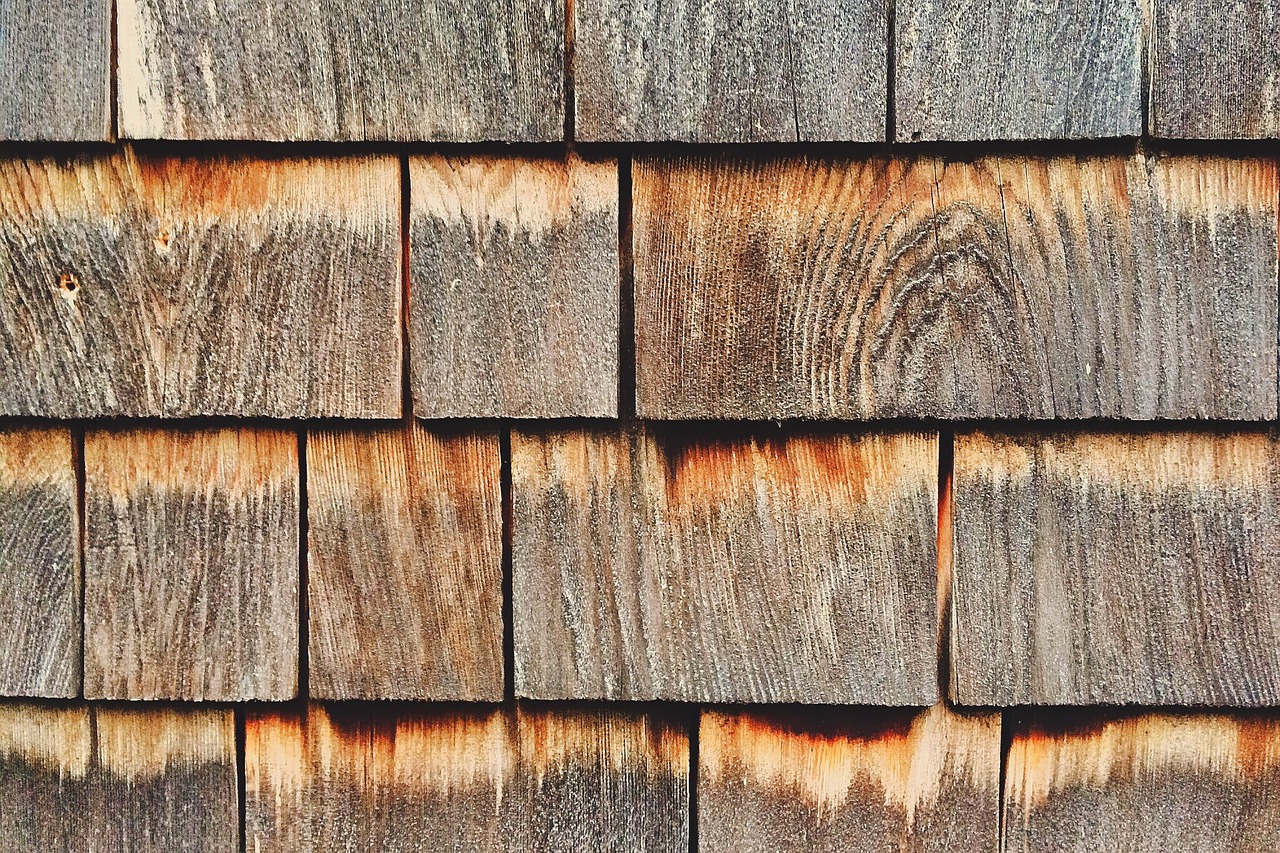
Sidings in Austin transform homes with stylish and durable options. From traditional wood to modern vinyl, local suppliers offer diverse materials catering to various budgets and aesthetics. Exploring these choices lets homeowners enhance their property's curb appeal and value, making it a worthwhile investment for any Austin resident.
Key Takeaways
- Austin's siding market is vibrant, offering diverse options to homeowners, with a focus on quality and aesthetics.
- Local regulations and building codes play a significant role in siding choices, impacting both materials and installation.
- Energy efficiency is a growing trend, with many Austin homeowners opting for insulated siding for long-term savings.
- Vinyl siding remains popular due to its low maintenance, durability, and wide range of colors and styles.
- Wood siding provides a classic look but requires more maintenance, making it a thoughtful choice for dedicated homeowners.
- Local climate and weather patterns influence siding selection, with water-resistant options favored for heavy rainfall areas.
- Professional installation is key to ensuring siding longevity and proper protection for Austin's varying weather conditions.
In the vibrant landscape of Austin, where architecture meets cultural dynamism, the choice of exterior cladding plays a pivotal role in defining a property's aesthetic and longevity. Among the myriad options, siding stands out as a crucial element for Austin homeowners seeking both style and durability. This article delves into the intricacies of selecting the perfect siding for Austin homes, addressing the challenges of climate, aesthetics, and maintenance while offering expert insights tailored to this unique urban environment. By the end, readers will be equipped with the knowledge to make informed decisions, ensuring their homes not only enhance Austin's vibrant tapestry but also withstand the city's ever-changing climate.
- Understanding Austin's Siding Market: Trends and Options
- Choosing the Right Siding for Your Austin Home: Factors to Consider
- Installation and Maintenance: Ensuring Long-Lasting Austin Siding
Understanding Austin's Siding Market: Trends and Options
The siding Austin market is a dynamic and ever-evolving landscape, driven by a blend of consumer preferences, climate considerations, and technological advancements. Understanding the trends and options available in siding Austin is crucial for homeowners looking to enhance their property's exterior. According to recent data, the average lifespan of siding in Austin is approximately 25-30 years, making it a significant investment for any homeowner. This longevity, however, is a testament to the robust selection of materials and styles available in the Austin market.
When considering what is the best type of siding for a Texas home, factors like durability, low maintenance, and aesthetic appeal come to the forefront. Fiber cement siding, for instance, has gained immense popularity in Austin due to its resistance to rot, pests, and extreme weather conditions—all common challenges faced by Texas homes. On the other hand, vinyl siding is another preferred option known for its affordability, ease of installation, and variety of colors and textures. For those seeking a more natural look, wood siding offers a classic aesthetic, though it requires more maintenance than its synthetic counterparts.
The siding Austin process involves several key steps. Initially, homeowners should assess their needs and budget. This includes determining the size of the project, the type of siding most suitable for their home, and ensuring they meet the necessary qualifications. Once decided, the process entails hiring a reputable contractor, obtaining the required permits, preparing the exterior for installation, and finally, the siding installation itself. The duration of the project can vary, typically taking anywhere from a few days to a week, depending on the scope of work.
While siding Austin offers numerous benefits, such as increased home value and reduced maintenance, there are problems to avoid. Poor installation, for instance, can lead to gaps, water damage, and early deterioration of the siding. Additionally, not all siding options are created equal; some materials may not be as durable or as environmentally friendly as advertised. To ensure a successful siding project, homeowners should thoroughly research local regulations, consult with multiple contractors for estimates, and choose a proven, licensed, and insured contractor with a proven track record. As an alternative to traditional siding, some Austin homeowners are exploring energy-efficient options like insulated vinyl siding or metal panels, which offer enhanced structural protection and can further reduce long-term maintenance costs.
Choosing the Right Siding for Your Austin Home: Factors to Consider
Choosing the right siding for your Austin home is a crucial decision that impacts both its aesthetics and longevity. With Texas' diverse climate, including hot summers and occasional harsh winters, selecting durable and weather-resistant siding becomes essential. While many options are available in siding Austin, understanding what works best for your property requires careful consideration of several factors.
The best type of siding for a Texas home should offer protection against extreme temperatures, moisture, and pests. Fiber cement siding, for instance, is a popular choice due to its exceptional durability and low maintenance requirements. This material can withstand heavy winds, extreme heat, and cold, making it an ideal option for Austin's climate. Additionally, fiber cement provides a beautiful, natural-looking finish that enhances your home's curb appeal. The installation process typically involves removing old siding, preparing the surface, and installing new panels, taking approximately 1-2 weeks, depending on the size of your property in siding Austin.
However, not all siding is created equal, and some alternatives may not offer the same level of protection or longevity. Wood siding, while aesthetically pleasing, requires frequent maintenance and can be susceptible to rot and pest damage due to Texas' high humidity levels. Vinyl siding, though low-maintenance, may not withstand extreme temperatures as effectively, leading to potential warping over time. Therefore, it's essential to research and consult with professionals to determine the most suitable siding option for your Austin home, avoiding common problems associated with siding Austin. Understanding these considerations will ensure a smart investment that enhances your home's value and beauty for years to come.
Installation and Maintenance: Ensuring Long-Lasting Austin Siding
Installation and maintenance are key factors in ensuring long-lasting siding for your Austin home. When considering siding Austin, it's crucial to understand the process and qualifications required to achieve a durable and aesthetically pleasing result. The best type of siding for a Texas home often leans towards low-maintenance options that can withstand the region's diverse weather conditions. In Austin, this typically means choosing between vinyl, fiber cement, or stucco siding. Each material has its pros and cons, with vinyl being an affordable, easy-to-maintain option, fiber cement offering superior durability and natural look, and stucco providing a traditional, customizable finish.
The siding Austin process typically involves several steps. First, a thorough inspection of your home's exterior to assess the condition of existing siding and identify areas needing repair or replacement. Then, a licensed contractor will help you select the most suitable siding material and color. Installation usually takes 1-3 days, depending on the size of your home and the type of siding chosen. During this time, you'll want to ensure your property is properly secured and protected from debris, and that all doors and windows are sealed to prevent any construction-related issues. After installation, regular maintenance, such as washing and inspecting for damage, will ensure your siding Austin remains effective for years to come.
To qualify for siding Austin services, homeowners should meet certain criteria. Proper drainage systems, for instance, are essential to prevent water damage, and adequate preparation of the existing surface is critical for a smooth installation. It's also important to note that siding Austin is not just about the initial installation; it's a long-term investment. Regular maintenance and timely repairs can significantly extend the lifespan of your siding, saving you from costly replacements. While siding Austin can be a worthwhile investment, it's also wise to consider alternatives like re-staining or sealing existing wood siding, which may be more cost-effective in the short term, depending on the condition of your home's exterior.
Frequently Asked Questions About siding Austin
What is siding, and why is it important for homes in Austin?
Siding is an exterior cladding that covers the walls of a house, providing protection from the elements, enhancing aesthetics, and increasing energy efficiency. In Austin, where hot summers and mild winters prevail, the right siding can significantly improve a home's durability, reduce cooling costs, and elevate its curb appeal. It acts as a shield against UV rays, extreme temperatures, and moisture, ensuring the structural integrity of the building.
How do I choose the best siding material for my Austin home?
Selecting the best siding depends on your aesthetic preferences, budget, and the specific needs of your home. In Austin, popular choices include vinyl, fiber cement, wood, and stucco. Vinyl is low-maintenance and affordable; fiber cement offers durability and a natural look; wood provides a classic appeal; and stucco is known for its fire resistance and low water absorption. Consider factors like climate, local building codes, and the overall style of your home.
What are the benefits of siding installation in Austin?
Siding installation offers numerous advantages for Austin homeowners. It provides insulation, reducing energy costs and improving indoor comfort. A new siding can enhance the security of your home by deterring burglars and protecting against harsh weather conditions. It also increases the value of your property and makes it more attractive to potential buyers. A well-maintained siding contributes to the overall longevity and beauty of your home.
How long does siding typically last in Austin's climate?
The lifespan of siding varies depending on the material and installation quality. In Austin's climate, high heat, humidity, and occasional storms can impact durability. Vinyl siding, for example, can last 20-30 years, while fiber cement and stucco may endure for 50 years or more. Wood siding requires more maintenance but can also last several decades with proper care. Regular cleaning, repairs, and inspections contribute to extending the life of your siding.
Are there local regulations or permits required for siding installation in Austin?
Yes, Austin has specific building codes and regulations that govern home construction and renovation projects, including siding installation. It's essential to check with the local building department to ensure compliance. Permits may be required for certain types of siding or when making structural changes. Consult with a professional contractor who is familiar with these regulations to ensure a smooth installation process.
How much does siding installation cost in Austin?
The cost of siding installation in Austin varies based on several factors, including the type of siding, the size of your home, labor costs, and any additional services like preparation and cleanup. On average, you can expect to pay between $5,000 and $20,000 for siding installation. Customized designs, specialty materials, or extensive repairs can increase the overall cost. Get quotes from multiple contractors to find the best value for your project.
Can siding be installed during Austin's summer months?
Yes, siding installation can be performed during Austin's summer months, although it's advisable to avoid the hottest parts of the year. The extreme heat can affect some materials and increase installation time. Professional contractors are equipped to handle summer projects, ensuring efficient work. Proper planning, shade management, and staying hydrated are essential for both the workers and the materials during installation.
In conclusion, this comprehensive guide on siding Austin has provided valuable insights into navigating the local market, selecting the perfect siding for your home, and ensuring its longevity through proper installation and maintenance. By understanding current trends and factoring in specific considerations unique to Austin homes, homeowners can make informed decisions when choosing siding materials. Armed with this knowledge, you're now equipped to embark on transforming your abode, enhancing its exterior charm and durability—a true testament to the expertise shared in this authoritative article on siding Austin.